


Mastering the Art of Wedding and Event Design: Elevate Your Event Aesthetics and Design
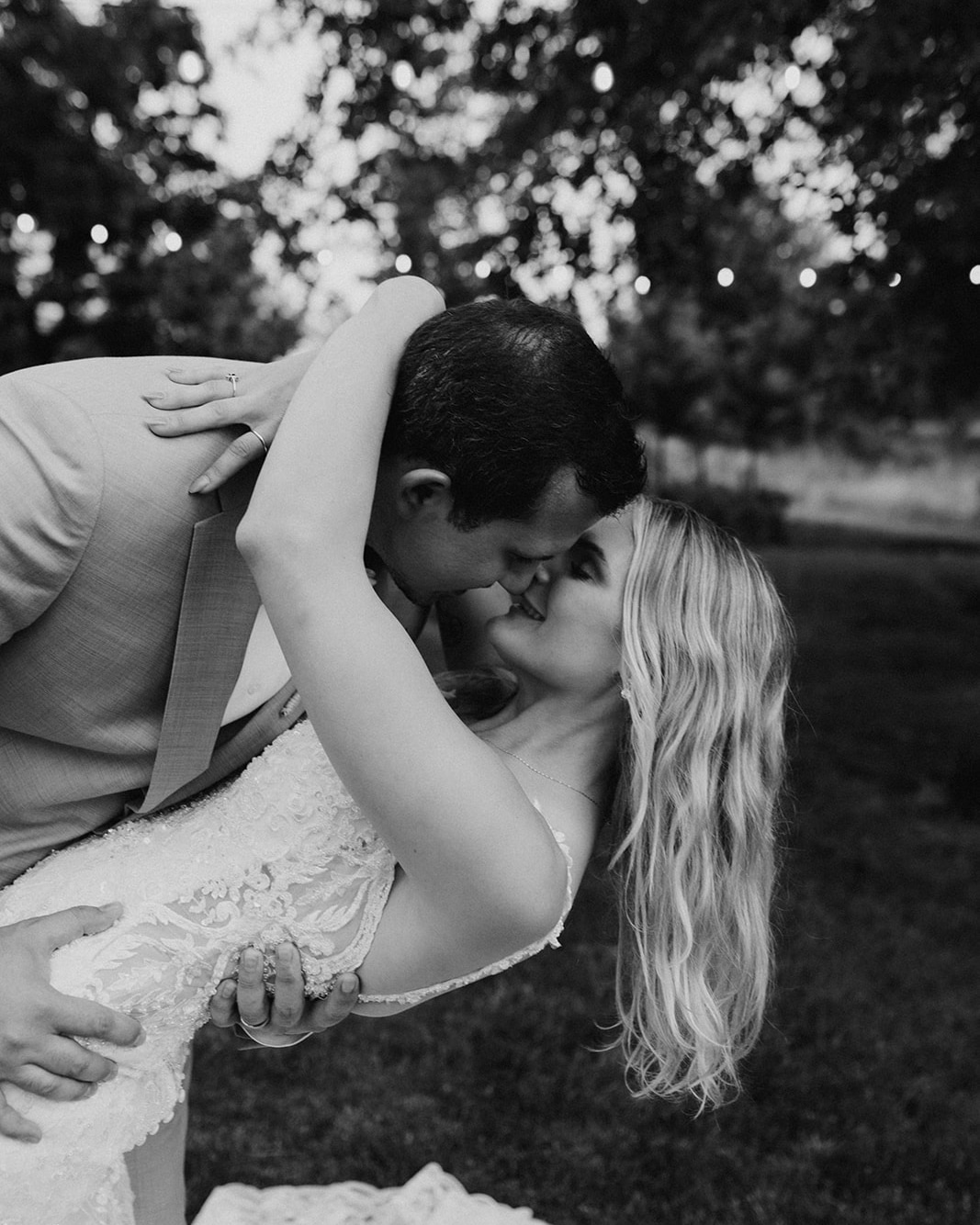
Planning a wedding or a significant event is an exciting journey filled with dreams and decisions. One of the most rewarding parts of this process is mastering the art of event aesthetics and design. When done right, it transforms a simple gathering into a memorable celebration that reflects your personality and style. I’m here to guide you through practical steps and creative ideas to help you create an event that feels both beautiful and uniquely yours.
Understanding Event Aesthetics and Design: The Foundation of Your Celebration
Event aesthetics and design are about more than just picking pretty decorations. It’s the thoughtful combination of colors, textures, lighting, and layout that sets the mood and tells your story. When you focus on these elements, you create an atmosphere that guests will remember long after the event ends.
Start by choosing a theme or style that resonates with you. Whether it’s rustic charm, modern elegance, or vintage romance, your theme will guide every design choice. For example, a rustic wedding might feature natural wood tables, wildflower centerpieces, and soft fairy lights. On the other hand, a modern event could include sleek metallic accents, geometric shapes, and bold color contrasts.
Tips to nail your event aesthetics and design:
Create a mood board: Collect images, fabric swatches, and color samples that inspire you.
Choose a color palette: Limit your palette to 3-5 colors to keep the design cohesive.
Think about textures: Mix soft fabrics with natural elements like wood or stone for depth.
Plan your lighting: Lighting can change the entire feel of a space. Use candles, string lights, or uplighting to enhance the mood.

How to Bring Your Vision to Life with Practical Design Choices
Once you have a clear vision, it’s time to make it real. This means selecting the right vendors, materials, and layout to support your design goals. Don’t hesitate to ask for samples or visit venues in person to see how your ideas will work in the actual space.
Here’s a simple step-by-step approach:
Venue selection: Choose a venue that complements your theme. An outdoor garden suits a natural look, while a ballroom fits a classic style.
Furniture and layout: Decide on seating arrangements that encourage socializing and comfort. Round tables create intimacy, while long banquet tables offer a communal feel.
Decor elements: Focus on key pieces like centerpieces, backdrops, and signage. These should echo your theme and color palette.
Floral design: Flowers add life and color. Work with a florist to pick blooms that match your palette and season.
Personal touches: Incorporate meaningful details like family heirlooms, custom signage, or favorite quotes.
Remember, simplicity often leads to elegance. Avoid overcrowding your space with too many decorations. Instead, let a few well-chosen elements shine.
Is $5000 a Good Budget for a Wedding?
Budgeting is one of the most important parts of planning your event. You might wonder if $5000 is enough to cover everything. The answer depends on your priorities, location, and guest count.
In many areas, $5000 can cover a small, intimate wedding if you focus on essentials and DIY some elements. Here’s how you can make the most of this budget:
Venue: Look for affordable or free venues like parks, community centers, or a friend’s backyard.
Guest list: Keep it small to reduce costs on food, seating, and favors.
DIY decor: Create your own centerpieces, invitations, and signage.
Food and drink: Consider a buffet or potluck style meal instead of a formal sit-down dinner.
Photography: Hire a talented amateur or ask a friend with a good camera.
If you want a larger or more elaborate event, $5000 might be tight, but with careful planning and prioritizing, it’s possible to have a beautiful day without overspending.

The Role of Color and Lighting in Setting the Mood
Color and lighting are powerful tools in event design. They influence how guests feel and interact with the space. Choosing the right combination can make your event feel warm, energetic, romantic, or relaxed.
Color tips:
Use your main color for large areas like linens or walls.
Add accent colors in smaller details like napkins, flowers, or candles.
Consider the psychology of colors: blue is calming, red is passionate, yellow is cheerful.
Lighting tips:
Use dimmable lights to adjust the mood throughout the event.
Incorporate candles or lanterns for a soft, romantic glow.
Use uplighting to highlight architectural features or focal points.
String lights add a magical, whimsical touch, especially outdoors.
Experiment with different lighting setups during your venue walkthrough to see what works best.
Personalizing Your Event: Making It Truly Yours
The best events feel personal and authentic. Adding unique touches that reflect your story will make your celebration stand out.
Here are some ideas to personalize your event:
Custom invitations: Design invitations that hint at your theme and personality.
Signature cocktails: Create drinks named after meaningful places or moments.
Interactive elements: Include guest books, photo booths, or games that encourage participation.
Meaningful music: Choose songs that tell your story or have special significance.
Special rituals: Incorporate cultural or family traditions that honor your heritage.
These details show your guests who you are and make your event unforgettable.
Taking the Stress Out of Planning with Expert Help
Planning an event can feel overwhelming, but you don’t have to do it alone. Hiring a professional can save you time, reduce stress, and ensure your vision comes to life flawlessly.
A skilled event designer or planner will:
Help you refine your vision and stay on budget.
Coordinate with vendors and manage logistics.
Handle unexpected challenges with calm and creativity.
Bring fresh ideas and expertise to elevate your design.
If you want a beautifully designed and flawlessly executed wedding or special event without the stress of planning it yourself, consider working with a trusted professional in your area.
For those interested in exploring more about wedding and event design, WL Events offers expert guidance and services tailored to your unique style and needs.
Mastering the art of wedding and event design is about blending creativity with practical planning. By focusing on your vision, making thoughtful choices, and adding personal touches, you can create a celebration that feels magical and meaningful. Remember, the best events are those that reflect who you are and the love you share with your guests. Enjoy the process and watch your dream event come to life!


Comments