


Your Essential Event Day Planning Guide
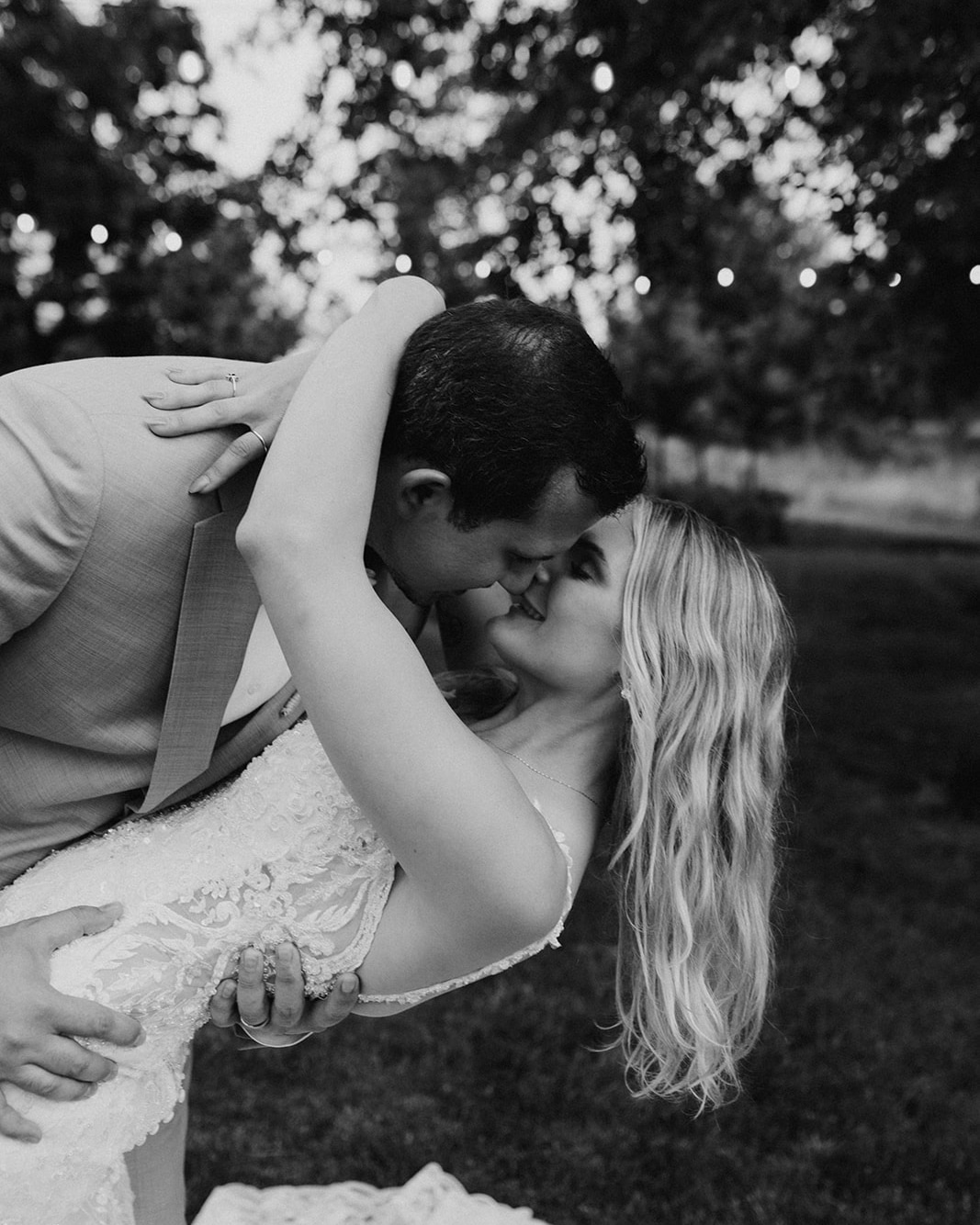
Planning a wedding or a significant event can feel overwhelming. There are so many details to manage, and the pressure to get everything right can be intense. But with the right approach, you can enjoy the process and create a memorable day without the stress. I’ve learned that having a clear, step-by-step plan is the key to success. That’s why I want to share with you a practical and easy-to-follow event day planning guide that will help you stay organized and confident from start to finish.
Whether you’re planning a small intimate gathering or a grand celebration, this guide will walk you through the essential steps to make your event run smoothly. Let’s dive in and make your special day truly unforgettable.
Your Event Day Planning Guide: Start with a Solid Foundation
The first step in any successful event is laying a strong foundation. This means understanding your vision, setting a realistic budget, and choosing the right venue. These early decisions will shape everything else, so take your time and be thoughtful.
Define your vision: What kind of atmosphere do you want? Romantic, casual, elegant, or fun? Write down your ideas and inspirations.
Set your budget: Be clear about how much you can spend and allocate funds to different categories like venue, catering, decor, and entertainment.
Choose the venue: Visit potential locations and consider factors like capacity, accessibility, and amenities. Book early to secure your preferred date.
Once these basics are in place, you can start building your team and planning the details.

What is an execution checklist?
An execution checklist is a detailed list of tasks and responsibilities that need to be completed on the day of your event. It acts as a roadmap, ensuring nothing is forgotten and everything happens on time. Think of it as your event’s playbook.
This checklist covers everything from vendor arrivals and setup times to the order of activities and contingency plans. It helps you and your team stay coordinated and calm, even if unexpected issues arise.
Creating an execution checklist involves:
Listing every task that must be done before, during, and after the event.
Assigning who is responsible for each task.
Setting specific times for each activity.
Including contact information for all vendors and key people.
Planning for emergencies or last-minute changes.
Having this checklist in hand means you can focus on enjoying your day, knowing that all the details are under control.
Organizing Your Timeline: The Backbone of Your Event
A well-structured timeline is essential for keeping your event on track. It breaks down the day into manageable segments and ensures everyone knows what to expect and when.
Here’s how to create an effective timeline:
Start early: Begin with the time guests arrive and work backward to include setup and vendor arrivals.
Include buffer times: Allow extra time between activities to handle delays or transitions smoothly.
Coordinate with vendors: Share the timeline with your caterer, photographer, DJ, and other vendors so they can prepare accordingly.
Plan key moments: Highlight important events like the ceremony, speeches, cake cutting, and first dance.
Communicate clearly: Provide copies of the timeline to your event coordinator, family members, and anyone involved in the day.
A clear timeline reduces stress and helps everyone stay on the same page.

Essential Items to Include in Your Event Day Kit
No matter how well you plan, having an emergency kit on hand is a lifesaver. This kit should include everything you might need to handle small issues quickly and keep your event running smoothly.
Here are some must-have items:
Safety pins and sewing kit: For quick fixes on clothing.
Stain remover wipes: To tackle unexpected spills.
Extra makeup and hair supplies: For touch-ups.
Pain relievers and allergy medicine: Just in case.
Snacks and water: To keep energy levels up.
Phone chargers and batteries: To stay connected.
Copies of contracts and vendor contacts: For easy reference.
Cash: For tips or last-minute expenses.
Pack your kit the day before and assign someone trustworthy to keep it accessible throughout the event.
How to Delegate and Communicate Effectively on the Big Day
You don’t have to do everything yourself. Delegating tasks to reliable friends, family, or professionals is crucial. Clear communication ensures everyone knows their role and can act confidently.
Here’s how to delegate well:
Choose helpers wisely: Pick people who are calm under pressure and willing to assist.
Be specific: Give clear instructions and explain what you expect.
Provide written notes: Share your event execution checklist and timeline.
Hold a briefing: Meet with your team before the event to review roles and answer questions.
Stay accessible: Keep your phone on and check in periodically, but try to enjoy the moment.
Remember, your helpers want to support you. Trusting them will lighten your load and make the day more enjoyable.
Final Tips for a Stress-Free Event Day
As your event day approaches, keep these tips in mind to stay calm and focused:
Get plenty of rest the night before.
Eat a good breakfast to keep your energy up.
Wear comfortable shoes during setup.
Stay hydrated throughout the day.
Take moments to breathe and soak in the experience.
Be flexible and open to changes.
Celebrate your hard work and enjoy your special day!
With the right preparation and mindset, your event will be a beautiful success.
Planning a wedding or special event is a journey filled with excitement and challenges. By following this event day planning guide, you’ll have the tools and confidence to create a seamless and joyful celebration. Remember, the key is preparation, clear communication, and trusting your support team. Here’s to a wonderful event day that you and your guests will cherish forever!


Comments